
How to stay safe in hot weather as a carer in the community
As temperatures rise, caring for some of the most vulnerable people in our community becomes that bit more challenging. High heat poses significant risks not only to the service users we support but also to our own health and safety as we move between homes. Being a carer in the community requires careful planning to manage travel, car safety, and personal health during a heatwave.
With this in mind, we have a variety of top tips to help you navigate this time of year safely.
Prioritising personal health and hydration
Your health is the foundation of the care you provide. You need to look after yourself first, to provide the best care for other people. Staying hydrated and protected from the sun is essential for maintaining your energy levels and preventing heat related illnesses.
- Stay hydrated: Drink plenty of cool water or rehydration drinks throughout the day.
- Sun and UV protection: If you are outside or traveling on foot, sunglasses and a wide-brimmed hat are a must. Apply sunscreen before you leave and reapply it regularly.
- Cooling techniques: Regularly sprinkle or spray cool water on exposed parts of your body, or use a damp cloth on the back of your neck to help regulate your temperature. Running cold water over your wrists can also help to cool yourself.
Safe travel and car maintenance
When you are traveling between appointments, your vehicle can become a heat trap. Taking proactive steps can keep your travel and you safer.
- Vehicle ventilation: Open car windows to allow air to circulate while driving. If your car has air conditioning, remember that it works most effectively when the windows are closed.
- Smart parking: Whenever possible, park your car in the shade to prevent it from overheating.
- Equipment care: High temperatures can damage electronics. Keep lithium battery-powered equipment, such as phones and laptops, out of direct sunlight.
Maintaining a safe environment at home
When visiting service users, you can help manage the temperature of their environment to keep both of you comfortable.
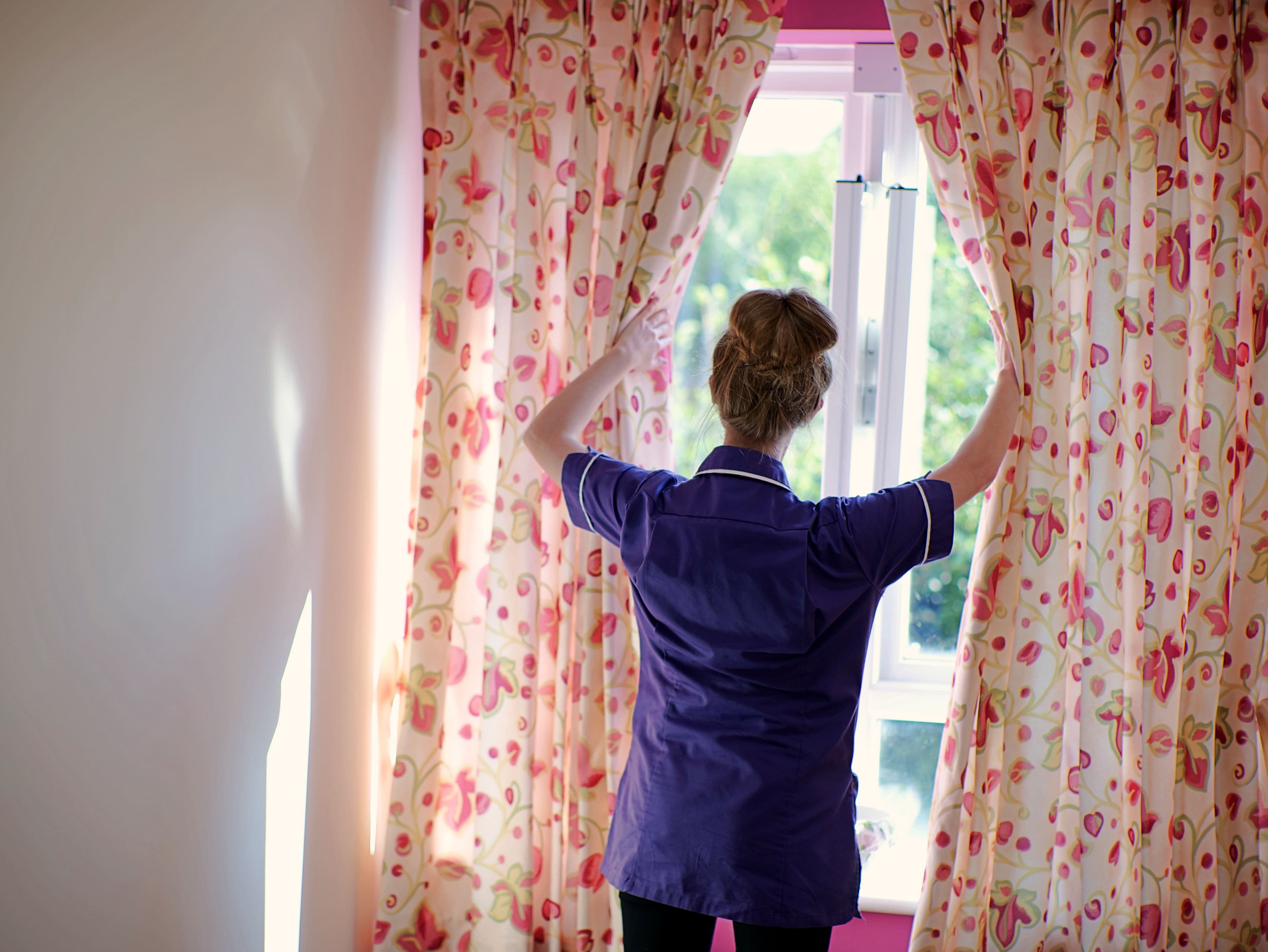
- Control sunlight: During the hottest hours (11 am – 3 pm), stay in the shade as much as possible. Close curtains or blinds if rooms are in direct sunlight to block out the heat.
- Airflow: Open windows if it is safe to do so to provide ventilation. If a fan is available, use it but avoid aiming it directly at the service user, as this can sometimes increase dehydration.
- Identify cool spots: Consider supporting service users to move to the coolest part of the house for activities or rest.
- Seasonal checks: Ensure any timed heating systems are turned off.
You can read more about keeping service users safe in our blog on hot weather safety tips for elderly service users here.
If you think you could make a difference to vulnerable people in your community, apply now to become a part of our amazing Cera family. We have roles available across the UK!
More about working in care

How scrabble and board games support wellbeing in elderly people
In recognition of National Scrabble Day, we are taking the opportunity to remind everyone of the joy a simple board game can bring, and the meaningful role they can play in care at home for the elderly.
Addressing Men's Mental Health
Here are some factors affecting mental health for men, including the impact of stigma and men’s reluctance to seek advice, and how support networks can help.