
How scrabble and board games support wellbeing in elderly people
In recognition of National Scrabble Day, we are taking the opportunity to remind everyone of the joy a simple board game can bring, and the meaningful role they can play in care at home for the elderly.
Here at Cera, we know that high quality home care in the UK goes beyond practical support. It’s about creating moments full of connection, which support independence and nurture cognitive wellbeing in ways that feel natural, enjoyable, and personal to each service user.

Why do games matter in domiciliary care?
Board games like Scrabble are often seen as a boring pastime, but they can be so much more, particularly for older adults receiving domiciliary care.
Research continues to highlight the benefits of mentally stimulating activities.
In fact, one study found that “tabletop games increase social interactions and reduce depression…and improve cognitive function”.
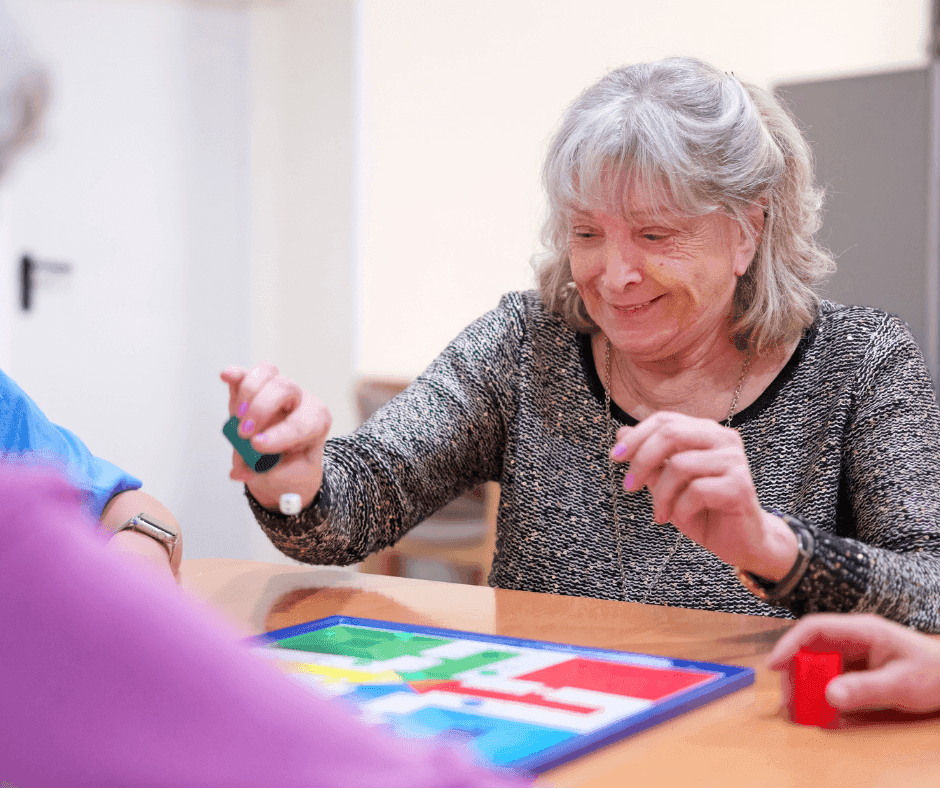
Word based games such as Scrabble encourage language recall, problem solving, and concentration, all of which are important for brain health. For those receiving dementia care, these kinds of activities can also help to spark recognition, build confidence, and provide a reassuring sense of familiarity.
But just as importantly, games create opportunities for companionship. A shared activity, whether with a friend, family member or professional carer, can open up conversation, laughter, and connection.
How can board games contribute to personalised care?
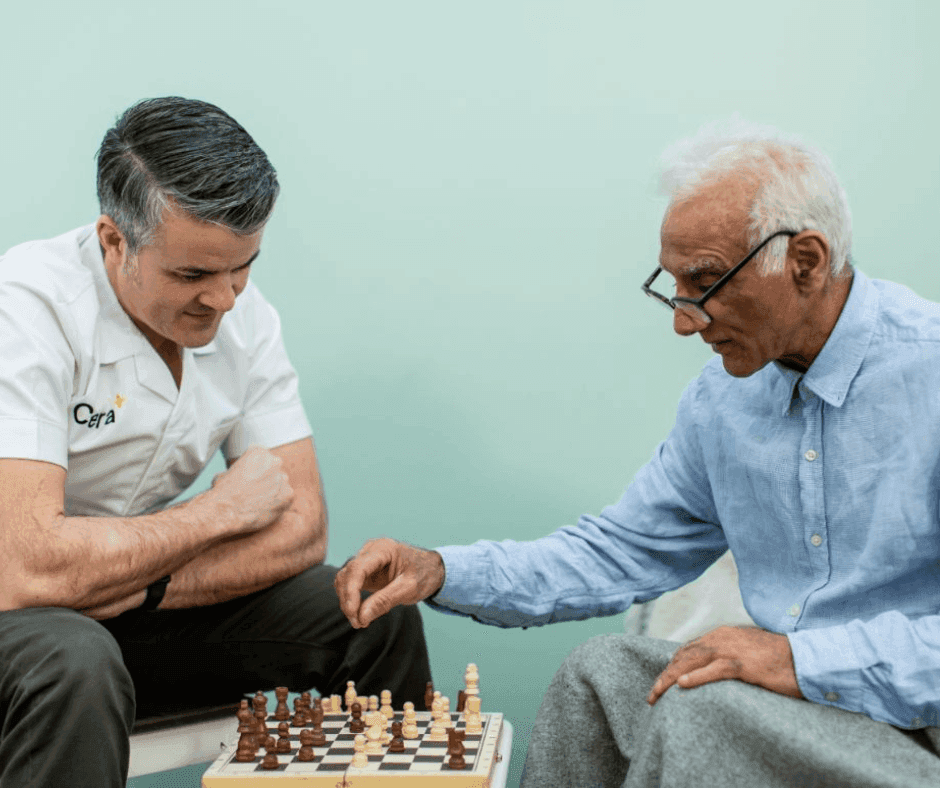
No two people we support are the same, and that’s why our approach is always tailored to the individual. For some, that might be a relaxing crossword over a cup of tea. For others, it could be a competitive game of cards or a strategic round of chess.
Our carers often build these small but meaningful moments into their visits, helping to support both emotional wellbeing and independence.
As one of our carers shared:
“I love being a regular part of my clients' days. On long days I can be doing 3 visits to them. One service user loves playing chess and each visit I make new moves.
It's fun for me, but good for his health too.”
This kind of continuity and relationship building is a key part of what makes care at home so powerful. It allows carers to truly understand the interests, routines, and preferences of the people they support. Not only that, but using our Cera App and technology, carers can record their visits, and we can use those insights to enhance service user wellbeing.
Finding what works for each person:
While Scrabble is a brilliant starting point, many different games can offer similar benefits.
- Chess: Encourages strategic thinking and concentration
- Card games: Can support memory, sequencing, and social interaction
- Crosswords and puzzles: Help with word recall and problem solving
There is also growing evidence that these activities can have longer term benefits. Another study concluded that “traditional board games may slow global cognitive decline and improve the quality of life in elderly subjects”.
Beyond the amazing health benefits, they can also provide a sense of achievement and purpose. At Cera, we see first hand how these activities can brighten someone’s day. As they’re woven into familiar routines, they feel less like “therapy” and more like simply enjoying time together.
Supporting independence through meaningful moments
One of the most important aspects of care at home is enabling people to remain independent in the comfort of their own surroundings. Activities like board games play a surprisingly important role in this.
By keeping the mind active and engaged, we can help individuals maintain skills, confidence, and a sense of autonomy. Whether it’s remembering the rules of a favourite card game or completing a daily crossword, these small achievements can make a big difference.
It’s a reminder that independence isn’t just about physical ability. It’s also about mental and emotional wellbeing.
Join the Cera family
Moments like these are only possible because of the dedication and compassion of our carers. They bring creativity, patience, and genuine connection into every visit.
If you’re passionate about making a difference in people’s lives and want to be part of a team that values personalised, relationship led care, we’d love to hear from you.
Apply today to join Cera as a professional carer or apply to be part of our internal teams, and help us continue delivering outstanding home care across the UK.
More about working in care
How to stay safe in hot weather as a carer in the community
As temperatures rise, caring for some of the most vulnerable people in our community becomes that bit more challenging.
Addressing Men's Mental Health
Here are some factors affecting mental health for men, including the impact of stigma and men’s reluctance to seek advice, and how support networks can help.