
Six women who shaped home care in the UK
Did you know that March is Women’s History Month? This is a time to recognise the extraordinary women whose work shaped the world we know today. With this in mind, we wanted to highlight the incredible women who helped to make the UK’s health and social care system into what we see today. The work they did continues to have an impact on the care of some of the most vulnerable people in our communities. As a leading HealthTech and care provider, we are proud to learn from these incredible pioneers who transformed nursing, social reform, disability rights and community based care into the professional home care industry we see today.
From Victorian reformers to modern disability activists, their influence can be seen in everything from district nursing, to personalised care plans, and independent living options.
Here are just some of the women whose legacies live on in modern domiciliary care.
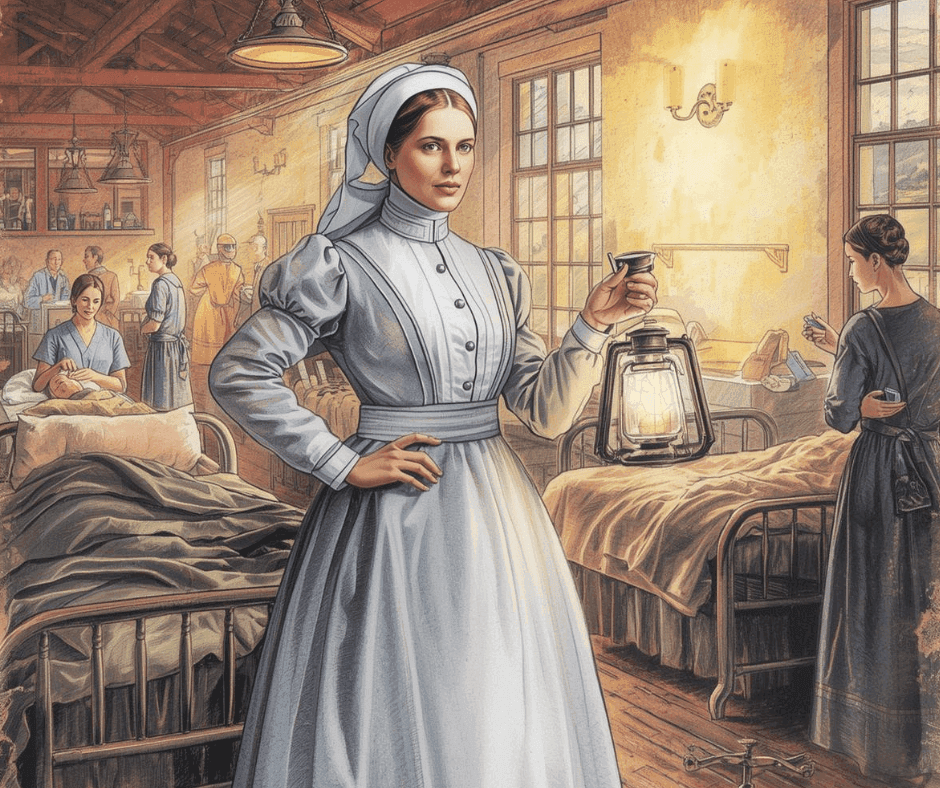
Florence Nightingale
Probably the most well known person on this list. She is often described as the founder of modern nursing, but did far more than just improve hospital conditions during the Crimean War. She professionalised nursing through formal training, data driven decision making and a real focus on hygiene.
Her impact on home care today can be seen in:
- Structured nurse training which influences the district nursing services we work alongside in people’s homes.
- Introduced evidence based care which is a principle still used today (much like how we at Cera have created AI tools to predict falls and much more).
- Focused on good hygiene to prevent infections. Something care professionals are still passionate about today, as we know it significantly improves outcomes.
Modern domiciliary care - including digital record keeping like our app and preventative care at home - reflects her insistence on good hygiene and care standards.
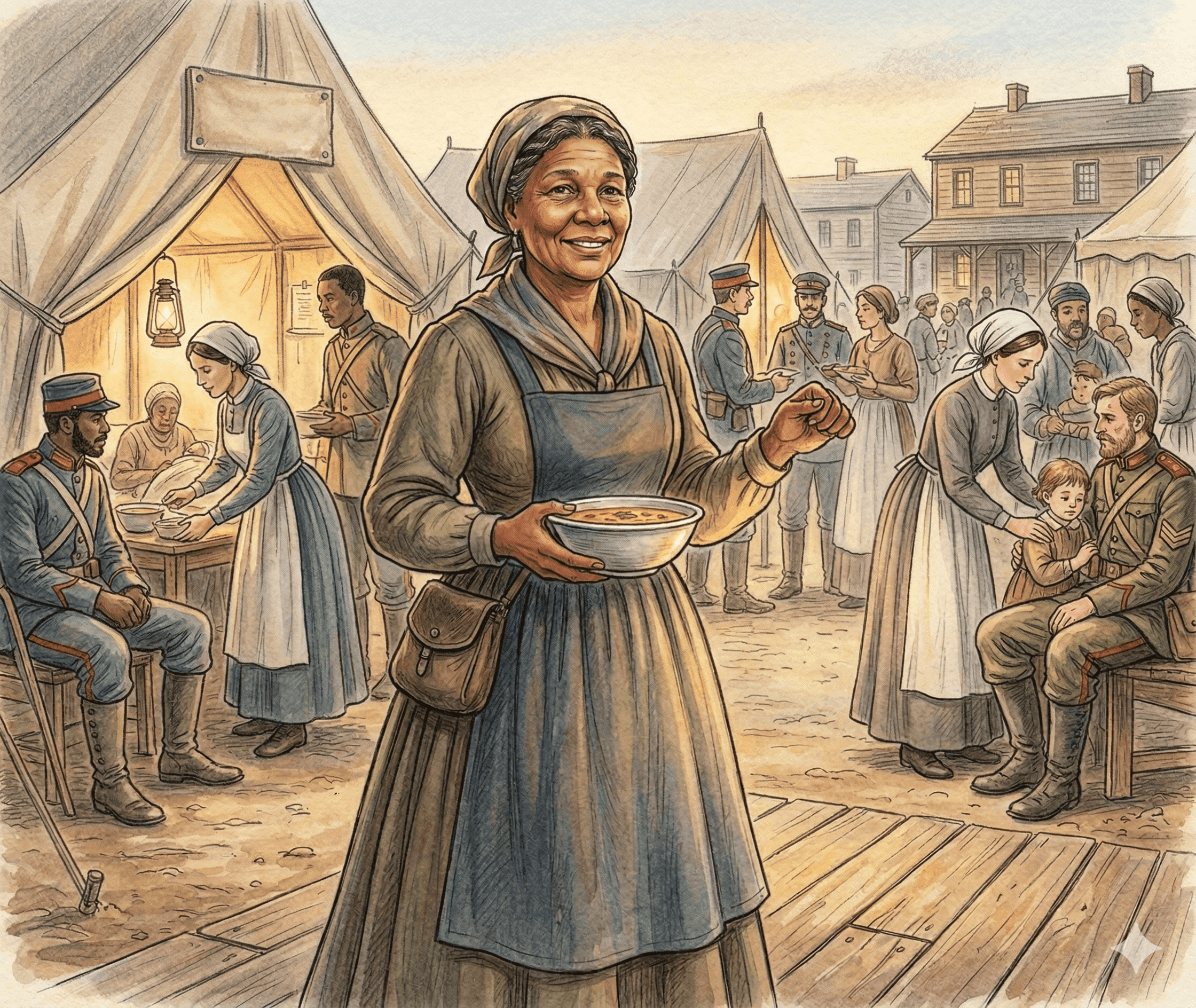
Mary Seacole
Mary Seacole was a pioneering nurse who provided compassionate care to soldiers during the Crimean War. Her work was independently organised and self funded, which was particularly impressive given the time period. Her approach combined clinical skill, cultural understanding and hands on support, which are principles we see in modern home care today.
Her influence on community and home care today:
- She championed person centered, culturally aware care. Treating the person, rather than just the illness. This is key in home care today and something we are passionate about.
- Modelled preventative and practical support included good nutrition, comfort and early intervention. This proactive care at home helps to reduce hospital admissions and is something we are proud to use Cera AI tools to support this continued work today.
- Cultural awareness which reflects the diverse communities we support and the care workforce as well. We are passionate about caring for our carers as much as our service users!
Today’s professional carers continue this legacy by delivering culturally sensitive support that respects dignity, identity and independence.
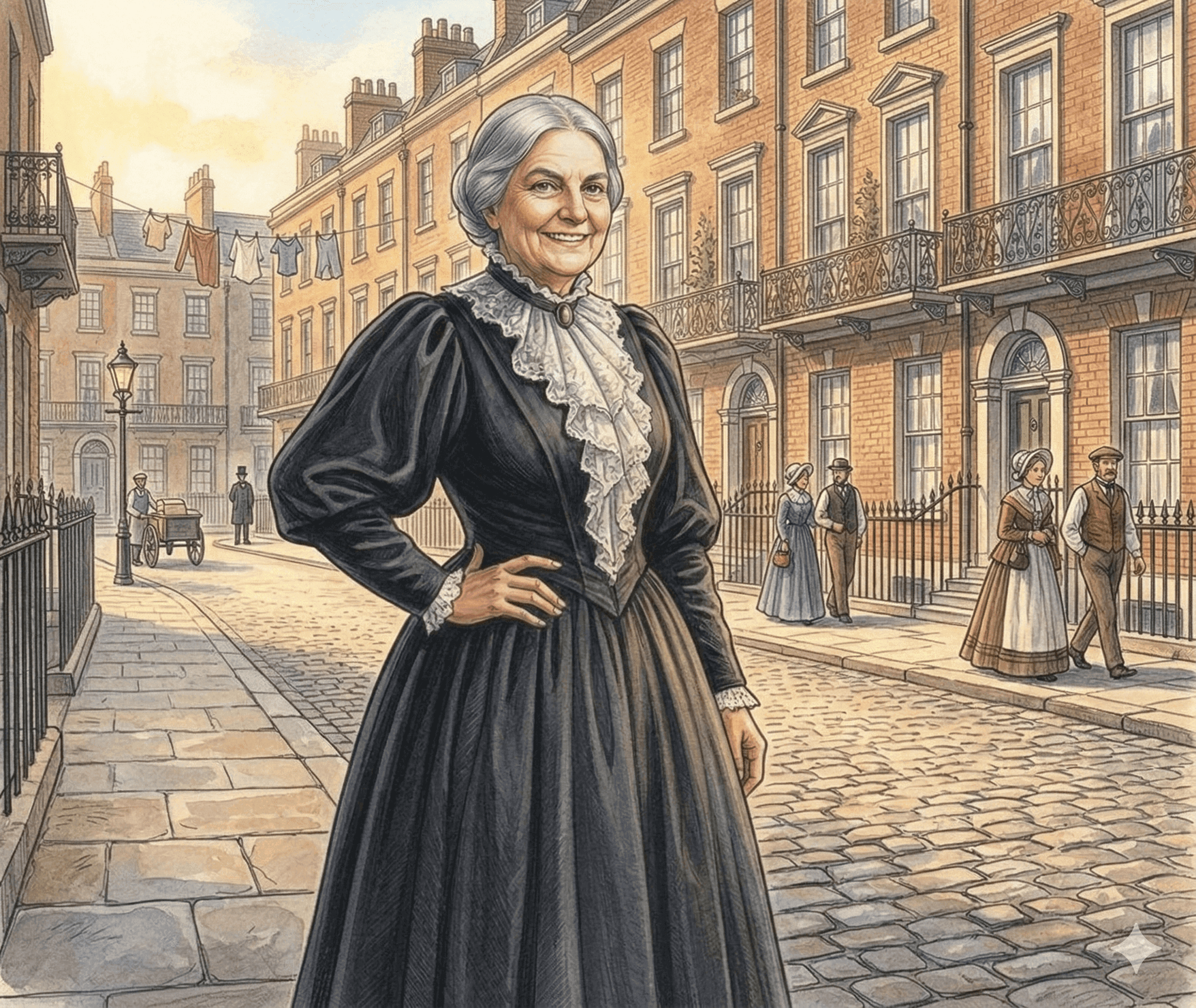
Octavia Hill
Octavia Hill was a social reformer who made a huge difference to housing for low income families in Victorian Britain. She believed stable housing and personal support were essential to wellbeing. Her model involved regular face to face support and visits, and believed the safe, well managed homes were essential for health, dignity and independence.
Her impact on home care today:
- Recognised that housing conditions directly affect health, shaping today’s understanding of the link between safe homes and wellbeing in domiciliary care. Nowadays, feedback on someone's home condition is an essential part of a care visit and ensures the safety and independence of the service user.
- Introduced structured home visits and tenant support, a model echoed in modern care assessments and regular care plan reviews in the home.
Her work directly influenced the development of social work and community-based services. She knew that good support starts with good living conditions and trust, which are now core pillars of today's regulated home care sector.
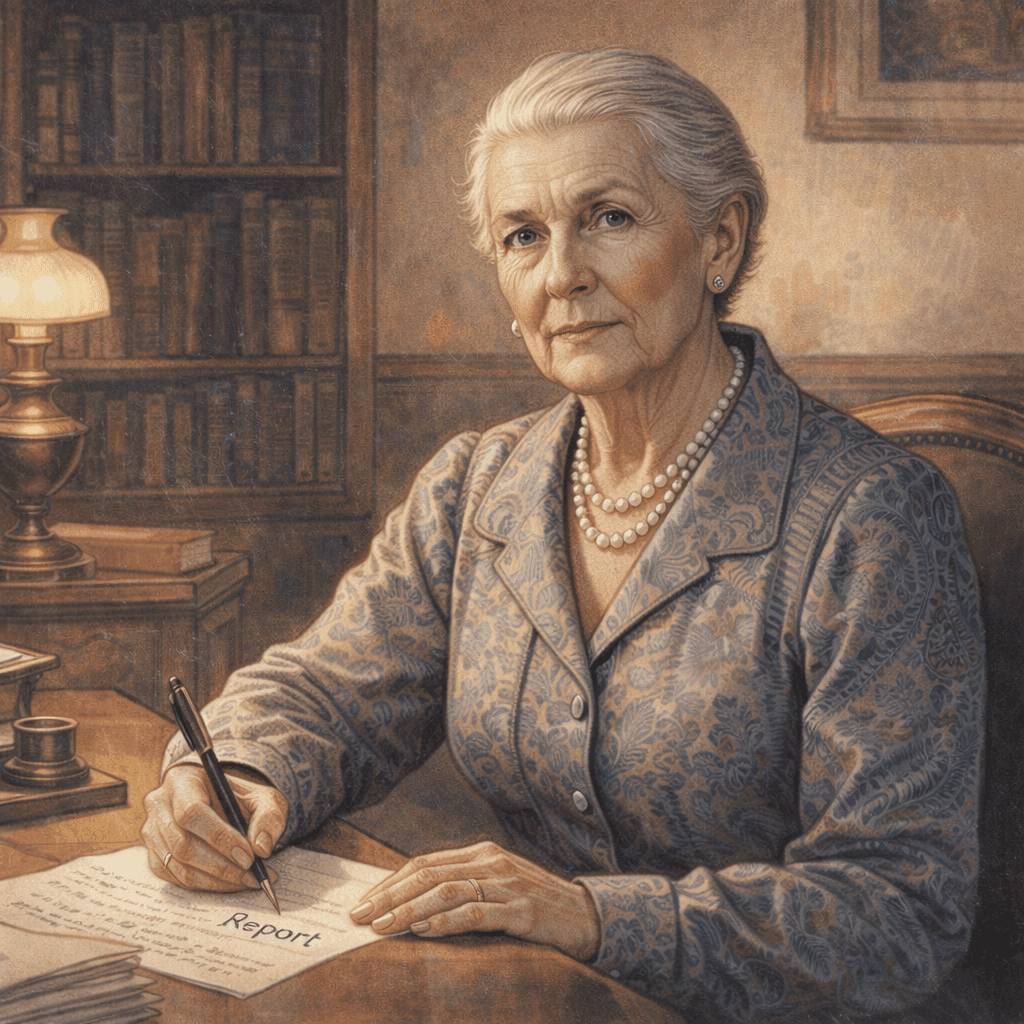
Dame Eileen Younghusband
Social worker Eileen Younghusband led reforms that set national standards and formalised social worker training in the UK.
She focused on skilled assessment and community support, which are still key pillars of social care today.
Her lasting impact can be seen in:
- Standardised professional qualifications in social care. We are proud to work alongside so many amazing social workers and those they support.
- Highlighted need for collaboration across multiple services. From doctors, to nurses, to social workers, and families. We know how important it is for good communications between services to ensure seamless outcome driven care.
Modern domiciliary care - built on professional standards and coordinated support - reflects her belief that quality community care depends on a well trained, accountable workforce.
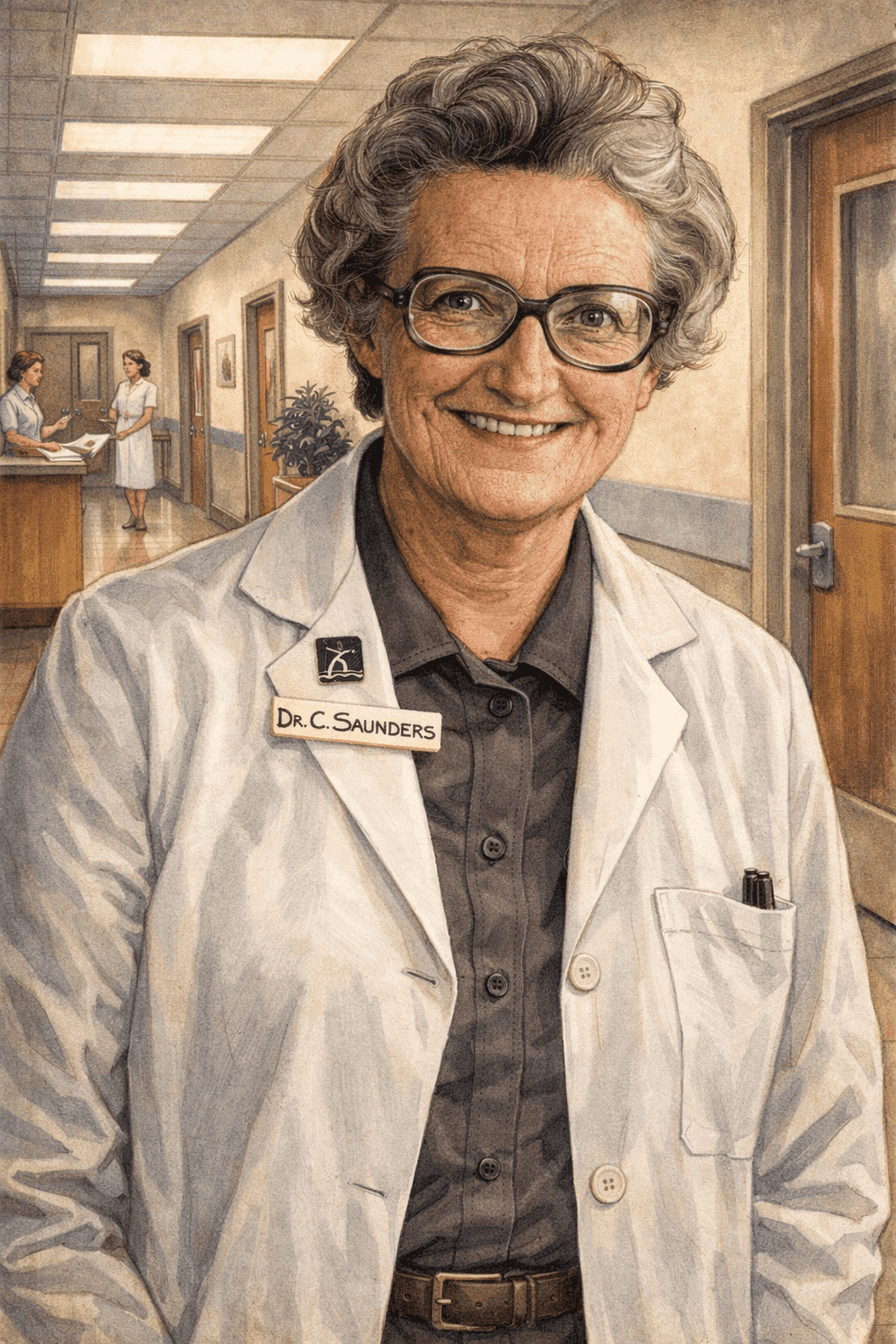
Dame Cicely Saunders
Dame Cicely Saunders was the founder of the modern hospice movement and a pioneer of palliative care, establishing St Christopher's Hospice in 1967.
She transformed end-of-life care by introducing the concept of “total pain”.
The idea recognised the physical, emotional, social and spiritual needs of individuals and their families to understand the total pain of a situation.
Her impact on home care today:
- Championed person centred care - a principle central to the domiciliary and end-of-life support we are so proud to deliver at home.
- Promoted dignity, choice and family involvement, foundations of advanced care planning and coordinated care at home we are so proud to continue.
Modern domiciliary care, particularly in palliative and end-of-life services, reflects her belief that compassionate, expertly managed support should enable people to live and die with dignity in the place they call home.
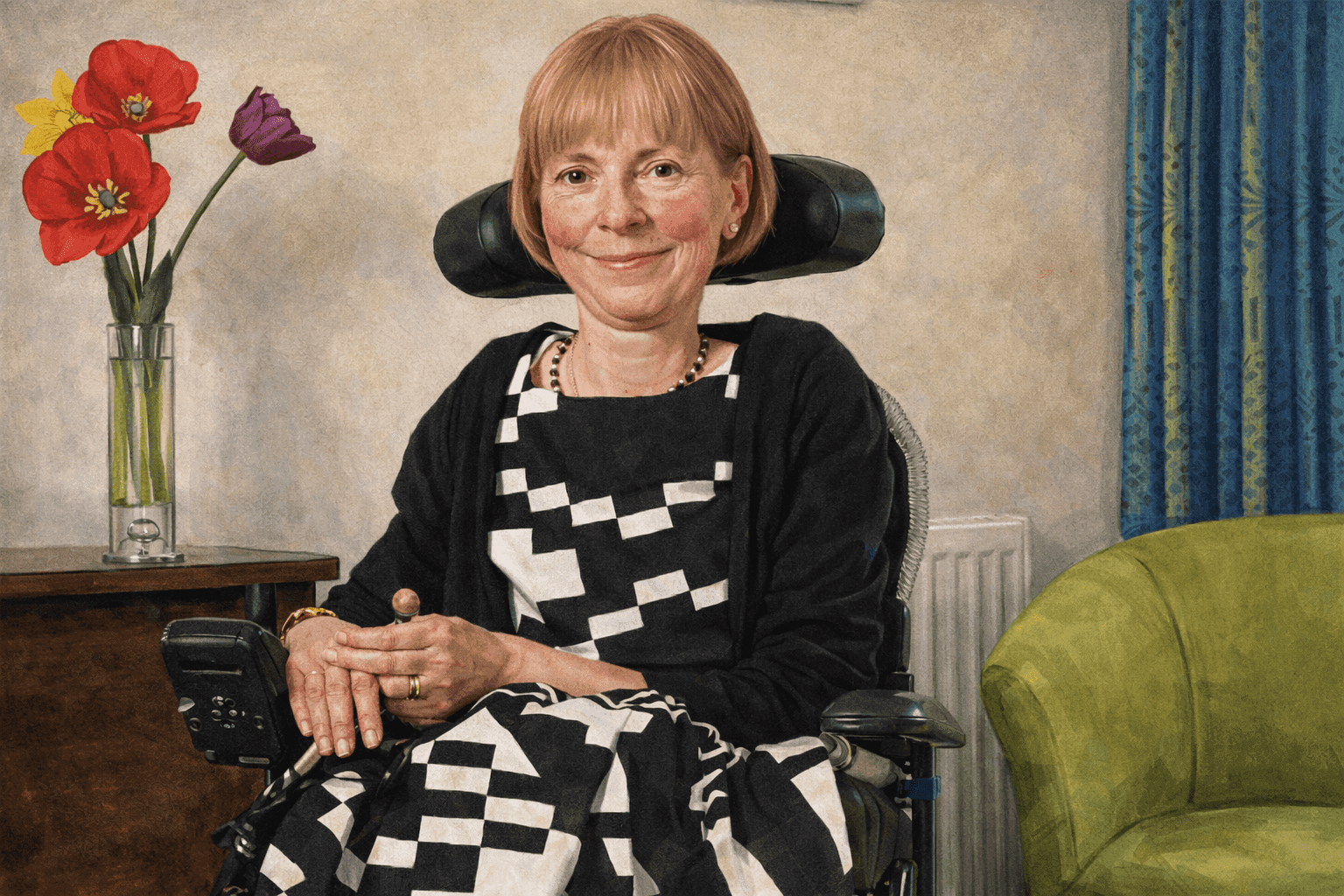
Baroness Jane Campbell
Baroness Jane Campbell has been instrumental in advancing the rights of disabled people to live independently with personalised support. Using her own lived experience she has helped to reshape national policy and move care away from institutionalised care models.
Her influence on modern home care includes:
- Advocated for direct payments, giving individuals control over their care.
- Promoted personalisation and choice in domiciliary services so that care is person led, and outcome focused.
Today’s personalised care, including digital tools like our app that empower service users and families with visit and report information, aligns perfectly with her vision of autonomy, choice and dignity.
A Social Worker working with our Templar Lodge team said:
I have worked in partnership with Ashling, the care team and the family to coordinate a planned transition. It was person-centred and the care team were able and willing to make any reasonable adjustments required to achieve positive outcomes.
If I could replicate Templar Lodge, the care team and support provided for all of my clients that I would be a very happy social worker!
The UK’s home care industry has evolved over the years into a regulated, professional and increasingly technological sector we are so proud to be a part of. These incredible women shaped:
- Professional standards in nursing and social work
- Community based care delivery
- Person centred and culturally competent support
- Independent living and personalisation
- Safeguarding and dignity in care
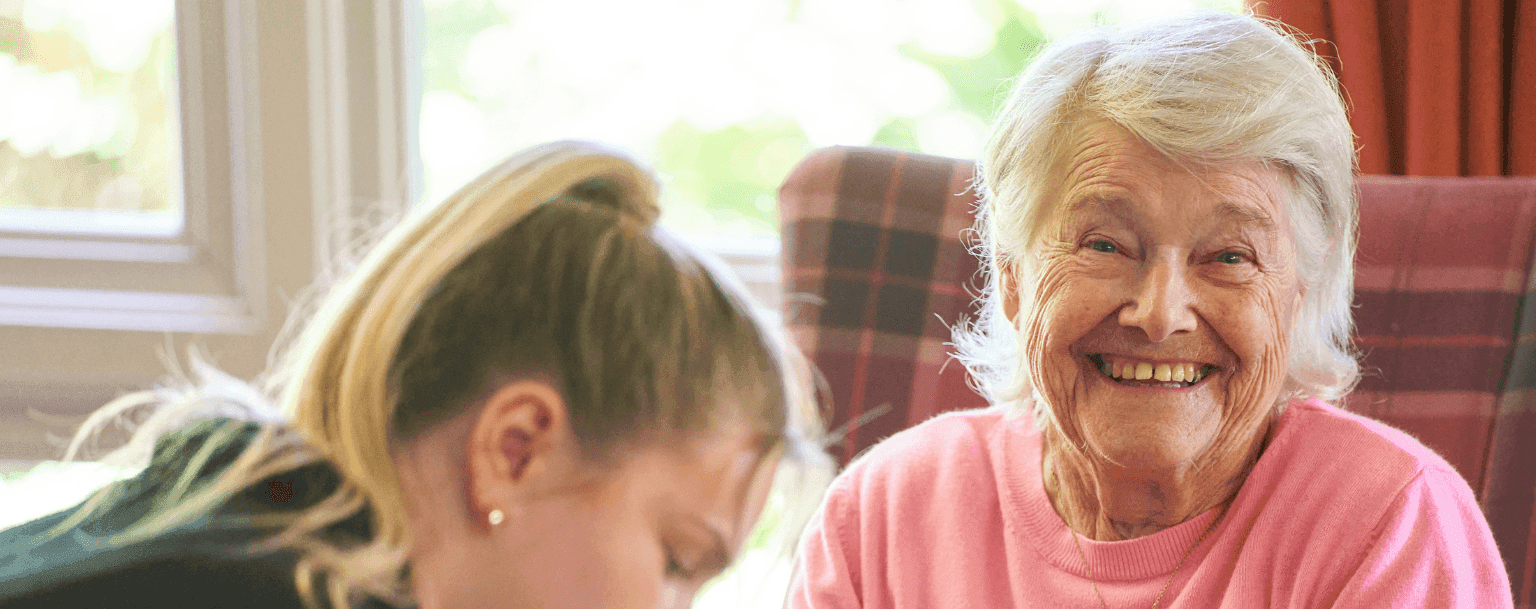
At Cera, we continue this legacy by combining compassionate, personalised care with innovative HealthTech solutions - enabling people to remain safely and independently in their own homes.
Women continue to make up the majority of the UK’s social care workforce. Every day, carers, nurses, care coordinators and healthcare innovators like those in our Cera family continue to build on the foundations laid by these pioneers.
Thank you to the thousands of women delivering, supporting, and organising professional care at home across the UK today.
The impact of these incredible women is not just in history books. It lives on in every home visit, care plan, and person supported to live independently in their own home.
More about working in care
What good care means to the families we support
Good Care Month is a time to recognise the incredible difference that compassionate, person centred care makes every single day.
How nurses transform domiciliary and complex care
In honour of International Nurses Day, we are taking some time to reflect on the incredible nursing professionals making a difference across Cera and home care as a whole.