
Top Travel Tips For Carers in Winter
Winter presents a unique set of challenges for all care professionals, particularly for those working in the community. Whether your care career involves elderly care, disability support, paediatric care, or palliative care, travelling safely is paramount to ensuring you can deliver this essential service and ensure those you care for maintain their comfort and independence.
This guide focuses on how to keep safe on the road and on foot during the colder months when ice and weather conditions can cause dangers.
Prepare for your shift: Getting your car winter ready
The car is a vital tool for many in carer roles. Before you even set off, a few preparations can make a huge difference to your safety and punctuality.
The essential winter kit: Pack an emergency kit and keep it in your car. This should include:
- Ice scraper and/or de-icer spray.
- Jump leads (cold weather is tough on batteries).
- A torch with spare batteries.
- Warm clothes, a blanket, and a non-perishable snack/water bottle in case of a breakdown.
Vehicle health check: Cold weather can put an extra strain on your car. Be sure to carefully check your tyre tread and pressure, ensure your antifreeze is topped up, and the condition of your battery regularly. Winter is the worst time for a breakdown!
Plan ahead: Before your shift, check the weather forecast and traffic reports. If conditions are severe, plan an alternative, safer route, or discuss the best option with your coordinator. Here at Cera, your wellbeing is important to us and our teams will always work hard to ensure everyone remains safe.
Need to know more about your vehicle cover as a carer? For a deep dive into protecting yourself on the road, ensure you read our blog on the best car insurance for community carers
The training has really helped me grow. Management are approachable and supportive, and the team culture is very respectful and caring.
Carer, Wolverhampton
Driving and walking safely
Safety isn't just about preparation; it’s about how you adapt your behaviour to the conditions on your route.
Driving with care The most important part of driving in winter is slowing down. Stopping distances can be far longer on ice or snow so you need to be aware and factor this in.
- Gentle movements: Avoid sudden acceleration, hard braking, or sharp steering.
- Increase distance: Leave a significantly larger gap between you and the car in front.
- Clear visibility: Be sure to clear all snow and ice from your windscreen, mirrors, and lights before driving. Never drive with a small porthole cleared. Not only does it compromise your view, but having it clear is a legal requirement.
- Rural alertness: In rural areas, remember that the roads are unlikely to be gritted. Plan your route wisely and be extra cautious where water sources are visible (for example an overflowing ditch or drain). Icy patches could be present for some distance afterwards.
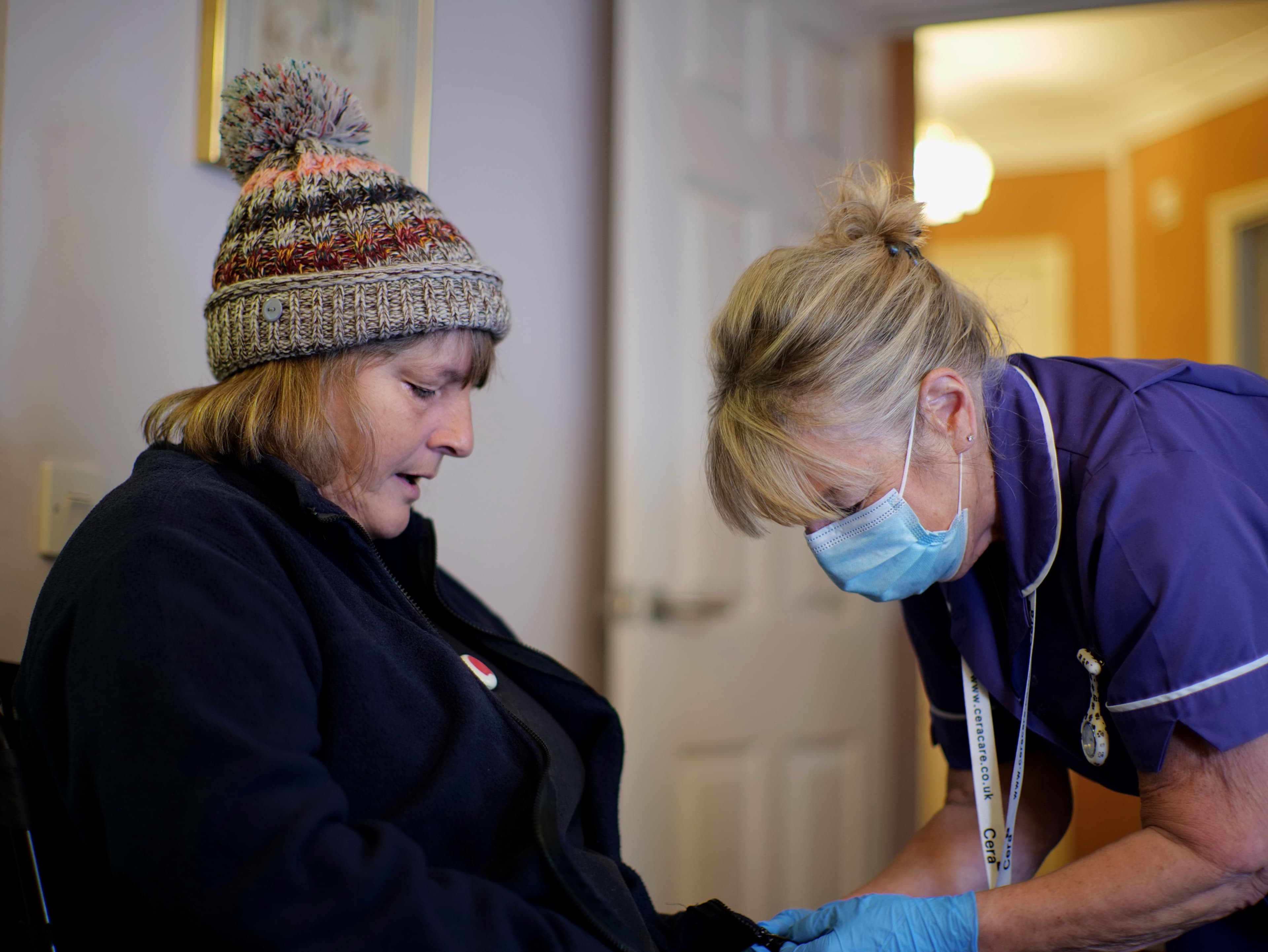
Staying safe on foot
Many care routes involve walking between homes or from your parked car. Some of our branches also offer walking routes in areas where we have a large number of service users nearby one another.
For those walking, the icy pavements and reduced daylight in winter can pose significant risks so the following tips are important to remember.
- Appropriate footwear: Choose shoes or boots with good, non-slip grips. Avoid flat or worn soles.
- Walk carefully: When walking on ice, take slow, short, shuffling steps. Keep your hands out of your pockets to help with balance.
- Increase visibility: Wear bright or reflective clothing, especially in the early mornings and evenings.
- Stay warm: Ensure you dress appropriately for the conditions. Layer up rather than wearing big heavy items and pack hats, gloves and scarves, especially when you know you will be out in the cold for prolonged periods of time.
Top 4 tips for staying safe this winter
To summarise the most critical aspects of winter safety for community carers:
- Vehicle maintenance: Get or perform a thorough pre-winter vehicle check up. You should focus on tyres, battery, and antifreeze levels.
- Emergency readiness: Always carry a fully charged mobile phone, a blanket, and your emergency breakdown kit.
- Adjust your driving: Reduce your speed and increase your stopping distance to account for the condition changes from ice or snow.
- Personal safety: Wear appropriate, multi-layered, warm clothing and sturdy, grippy footwear to prevent slips and falls on icy paths.
Remember: If you have concerns about the safety of yourself or a service user, always report it to your line manager.
Your commitment to your care career is invaluable, but your safety is always the priority. By implementing these travel tips, you can feel confident and secure as you continue to deliver the highest standard of care throughout the winter season.
For further travel advice check out the National Highways advice.
More about working in care

Careers in care: Love what you do!
For many, this time of year makes you think of connection, compassion, and people who make our lives much better.
Helping Older People Beat the January Blues
For many older people, January can be one of the loneliest months of the year.