How to translate caregiving into a winning CV
As we move into 2026, many of us are looking at our list of resolutions. We think about fitness, finances, or fun things we want to do over the next year. But what if your resolution was more than just a personal goal? What if it was about sharing the skills you already possess to make a profound difference to some of the most vulnerable people in your community?

If you have spent time looking after a family member, raising children, or supporting a neighbour, then you could have already been developing a toolkit of "caregiving skills" that are in high demand. At Cera, we don’t look for degrees or experience (although if you do have experience we love that too!). What we need is the compassion and connection that come from real life experience.
Here is how to translate those invaluable life skills you have developed into a winning CV for a professional caregiving role in 2026.
1. Rebrand "helping out"
The biggest mistake people make is leaving personal caregiving off their CV. In 2026, our recruiters are going to value your lived experience.
Instead of: "Looked after my elderly mother."
Try: "Family Care Provider: Managed daily living activities, medication schedules, and mobility assistance for someone with complex needs."
Instead of: “Time out of work to raise my children”
Try: Primary Care & Household Lead: Orchestrated daily care, nutritional planning, and safeguarding for dependents, demonstrating high level multitasking and adaptability in a high-pressure environment.
2. Highlight the "Soft Skills"
It can be difficult to translate personal experiences and "soft skills" into professional language, but doing so effectively is what makes you a "winning" candidate. In hard-to-recruit areas, we value the lived experience you bring from your own community.
Here is how you can professionalise your skills to help you stand out from the crowd:
Patience and emotional intelligence: Caring for others - whether in a personal or professional capacity - requires immense emotional resilience. Instead of just saying you are "patient," describe it as: "Experienced in active listening, providing emotional support, conflict resolution, and situation de-escalation in high-pressure environments."
Navigating healthcare systems: If you have helped a family member, friend, or neighbour access medical care, you have already performed a key part of a professional caregiver's role. Describe this as: "Providing healthcare advocacy and liaison support for vulnerable individuals to ensure effective communication with medical professionals and multidisciplinary teams."
Managing the household: Looking after a home, particularly when others depend on you, requires high-level organisation and multitasking. Describe it as: "Resource management and logistics for a multi-person household. Experienced in diary management, complex scheduling, financial budgeting, and the maintenance of a safe, compliant living environment."
3. "The Three C’s"
It’s not qualifications we are looking for when we review your CV, it’s the skills and values you possess that matter. Key are:
- Communication: Mention your ability to communicate well and we will know you can then provide clear updates to family members or medical staff.
- Consistency: Highlight your reliability. Caregiving is built on trust; show that you are someone who shows up when it matters most.
- Compassion: Describe a time you went above and beyond to preserve someone's dignity.
Why join us in 2026?
By becoming a professional carer, you aren't just "finding a job." You're answering a calling. We provide the technical training (like manual handling and first aid), but we can’t teach the kindness and experience you already have.
Make 2026 the year you take the care you’ve been giving for free and turn it into a rewarding, professional career with competitive pay, flexible hours, and a team that values your contribution.


More about working in care
Discounts for carers
We know that being a carer involves giving your all, and sometimes a little extra help can go a long way. That's why we're excited to share some of the amazing discounts we’ve found that are available to carers!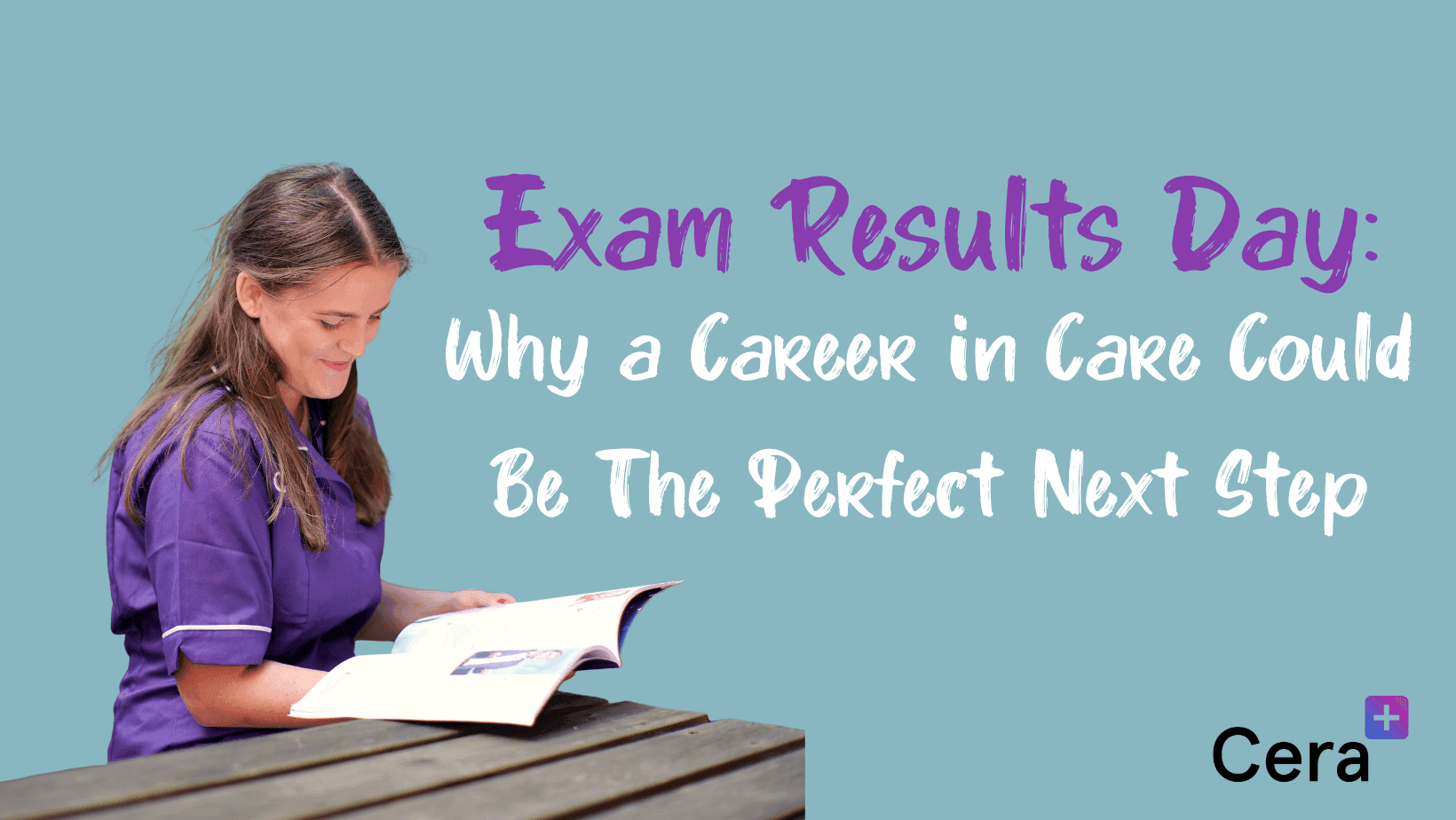
Exam results day: Why a career in care could be the perfect next step
Exam results day can bring a mixture of emotions. Whether you’re celebrating the grades you hoped for, considering your next steps, or figuring out what to do after an unexpected result, it’s worth remembering that your results don’t define your future.