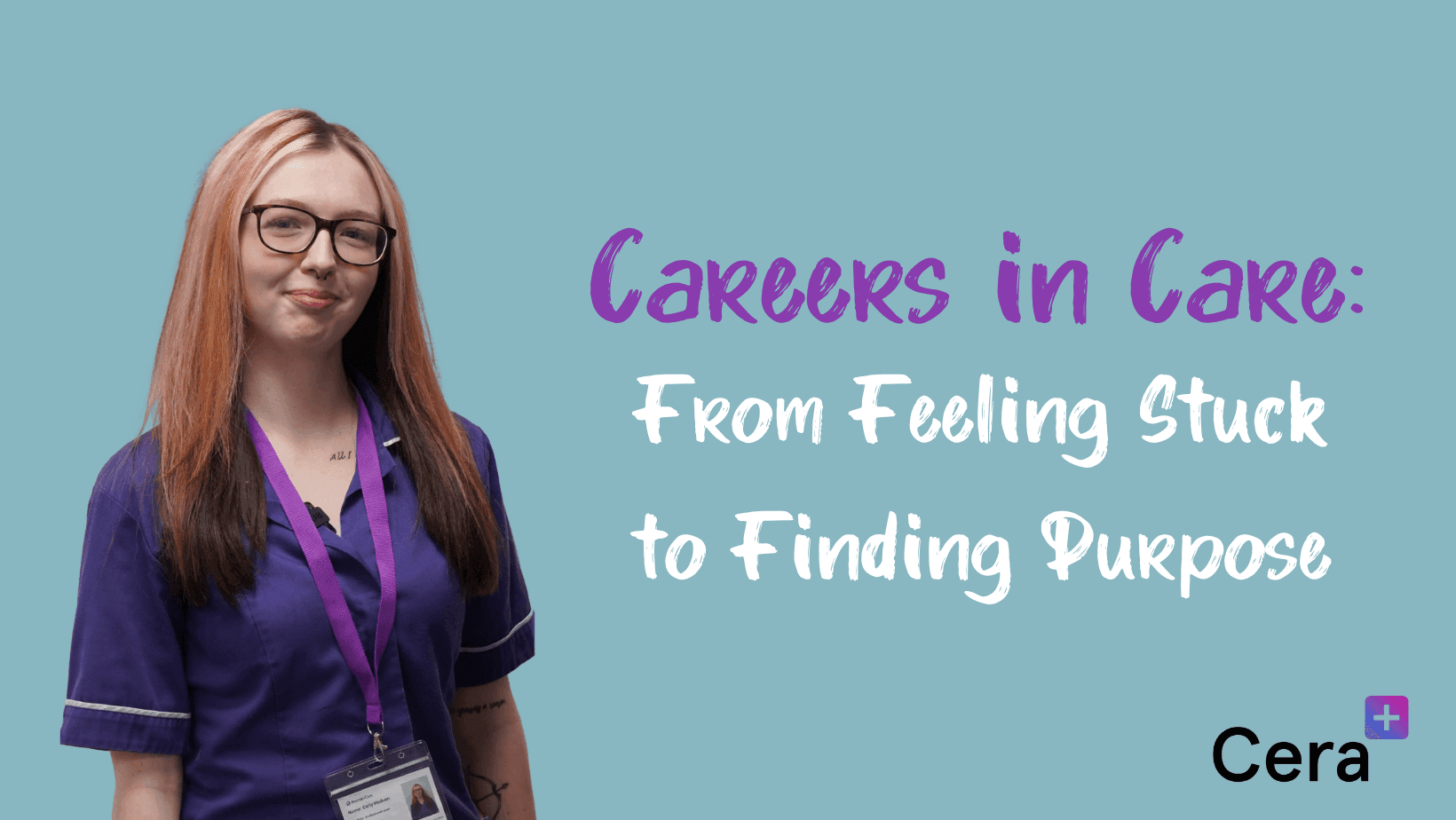
How to write a CV for care work with no experience
If you are looking for a meaningful and rewarding career, it is easy to see why care work is a fantastic option. Professional carers play a vital role in supporting people to live their lives in the comfort and familiarity of their own homes.
Not only do they offer practical help such as supporting with feeding, dressing and personal care, but also the emotional side of being a listening ear, a kind voice and sometimes the only other person they might see that day.
The impact carers have on the lives of those they support can be truly life changing.
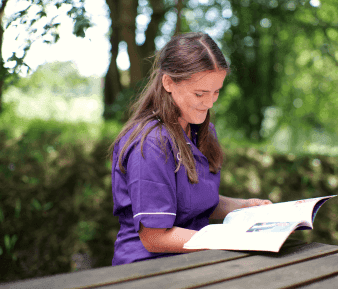
If you’ve never worked in care before though, writing your CV to apply for this role can feel daunting. You may wonder how to demonstrate you have what it takes without direct experience and whether the company will be willing to give you a chance. Here at Cera we are proud to take people without any previous experience and provide full training to support them in becoming a skilled care professional. If you’d like to apply now, you can find roles near you here.
Many of the qualities needed to work in care can be shown in other ways across your CV.
The Three C’s of key care qualities
There are many qualities and skills that can make you an excellent carer, but here we are focusing on three key ones and how you can show them within your CV.
Compassion
For many care users, it can be a real challenge to accept support. They may feel like they are losing their independence and find it affecting their confidence. Compassion for those you support and their situation is the difference that takes you from being an average carer, to an excellent one.
How can you show you are compassionate within your CV?
Think about a time when you have shown the following:
Patience
When have you helped someone to complete a task without rushing them? This could be anything from supporting your children to complete homework, to helping a customer find things they need in retail roles. Empathy - When have you responded to someone's feelings and needs when dealing with a situation? Did you help someone make a complaint to resolve their issues? Did you support a classmate struggling with something?
Dignity
When did you prioritise respecting someone’s boundaries? Did you help an elderly neighbour with something they found difficult in a way they felt comfortable with?
You can show many of these within your personal statement section of your CV, but also within the skills and optional hobbies and interests section.
Communication
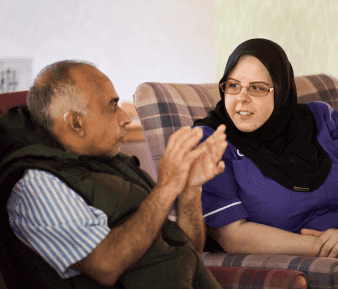
Being able to communicate effectively is vital when working in care. Not only do you need to communicate with a variety of people from all walks of life, but you also need to be able to actively listen to ensure service users feel heard and respected.
How can you show you are an effective communicator within your CV?
Think about a time when you have shown the following:
Active listening
When did you show someone you were not just listening to them but also responding appropriately so they felt heard?
Excellent explanations
When did you explain something clearly to help someone else gain a better understanding? Did you support training a new colleague or present a new concept or idea to another person within your role? Did you guide someone through a task they were finding difficult?
Open body language
When did you use appropriate body language to set someone at ease whilst communicating? This could mean getting down to the level of a child whilst speaking to them.
You can show these skills within your previous work experience and also the personal statement section of your CV.
Care
At the heart of all care roles is exactly what this says; care. You need to be dependable, observant and always ready to step in and support someone when needed. A caring person can make people feel safe, supported and heard.
How can you show you are a caring person within your CV?
Think about a time when you have shown the following:
Reliability
When did you last show you were someone people could count on? Did you demonstrate staying level headed whilst managing a crisis? Do you manage the diary or office for someone else and have skills associated with this.
Problem solving
When did you show you are able to think quickly and find solutions when challenges arise? Did you help solve a problem for a company or someone you know?
Observational skills
When did you show you notice changes in the mood, behaviour and health of others? Perhaps you noticed a change in a friend or family member and supported them to get this checked. Alternatively, whilst working in customer service have you noticed a customer becoming agitated and worked to defuse the situation.
You can show these behaviours in the personal statement, work experience and hobbies and interests sections of your CV. Organising projects and managing your time effectively can be shown in school, work or even your personal life.
CV Structure for Entry Level Care Work
So what should your CV structure look like when applying for an entry level role in care?
Contact information
Start with key details such as your full name, phone number and email address. This will make it easier for those reviewing the application to easily see who they are looking at and get in touch with you quickly.
Statement or summary
Writing a personal statement or professional summary is your real chance to tailor your CV to the specific role. All the key qualities and transferable skills you already have can be included in this section to demonstrate that whilst you don’t have direct experience, you embody the values needed to provide excellence in care.
Skills and qualifications (relevant to the role)
List your key qualifications and skills here in bullet points. This helps the person reading it to quickly skim over the CV and see you have the qualities that are going to make them want to look closer at your application.
Work experience
You want to write all previous work experience, including voluntary work you have undertaken. Focus on responsibilities with these roles that align with those needed to work in care. If possible, reference the direct impact of the work you did. For example, By doing X I was able to reduce customer complaints by 60%. Voluntary work doesn’t just have to be within specific charities. You can also include personal fundraising, work you have done within the community, and more to really highlight your empathy skills.
Education and training
Starting with your most recent, list all qualifications, training and courses you have completed. Courses such as first aid, health and social care and more can be great ones to highlight when applying to work in care.
Hobbies and interests (this is optional but can be effective):
To finish your CV you might like to have a small section to showcase your personality and positive traits. Especially if you don’t have much prior work experience, this is a great opportunity to emphasise the transferable skills you have from other areas of your life. Maybe you take part in a team sport and can use that to demonstrate good team work. Or perhaps you enjoy reading, which can demonstrate your patience.
Top tips for CV success
Tailor Your CV
Try to personalise your CV for each individual role or sector you are interested in working in.
Use Keywords
As well as using the key qualities mentioned above. You should also try to include words from the job description. This will ensure you are hitting all the points the employer needs you to.
Keep it Concise
Your CV should be no more than 1-2 pages. Although it’s tempting to include a lot of detail to show you have the skills needed, keep it concise and only highlight those most relevant to the role you are applying for.
Proofread Carefully
It is important to look over your CV carefully when you are finished to ensure that there aren’t any spelling or grammatical errors. It can be useful to ask someone else to look it over for you as they will be able to spot errors you might miss because you know what it is supposed to say.
Keeping all this in mind, you can see that lack of experience is not a barrier to working in care. Confidence in yourself and your skills is key to finding that rewarding role you have been dreaming of!
So build that strong CV and get applying. We have roles available across the UK and our team cannot wait to hear from you so apply now!
More about working in care

Discounts for carers
We know that being a carer involves giving your all, and sometimes a little extra help can go a long way. That's why we're excited to share some of the amazing discounts we’ve found that are available to carers!
Exam results day: Why a career in care could be the perfect next step
Exam results day can bring a mixture of emotions. Whether you’re celebrating the grades you hoped for, considering your next steps, or figuring out what to do after an unexpected result, it’s worth remembering that your results don’t define your future.